- 27.09.2024.
- -
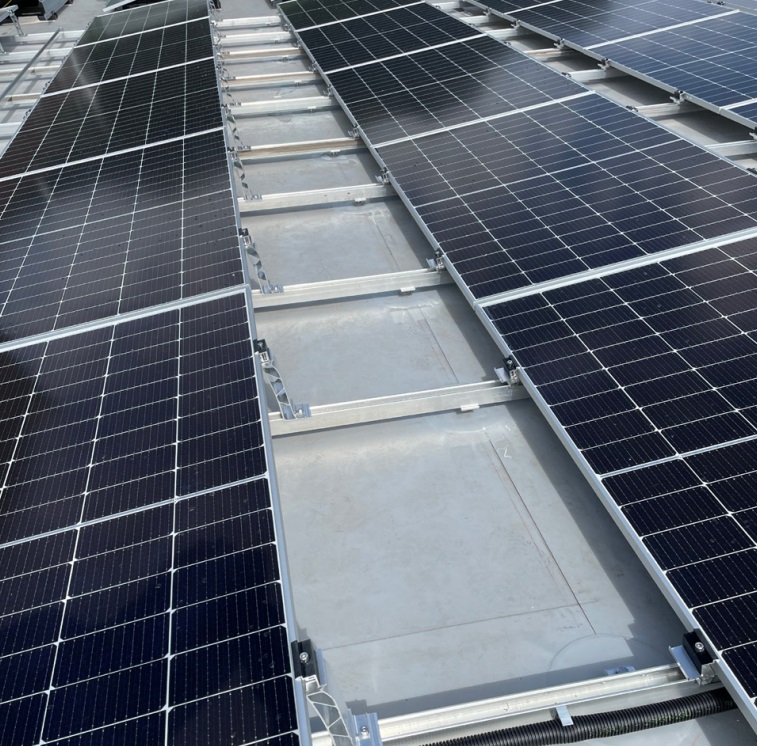
Flat roofs are typically built with a slight slope, most commonly around 2%, making large roof surfaces ideal for installing solar power plants.
Solar power systems are increasingly being integrated into conceptual designs of new construction projects. At the same time, the retrofitting of solar systems on flat roofs of existing buildings is becoming more frequent.
The economic viability continues to grow, as the cost of solar equipment and maintenance decreases over time.
With proper maintenance and servicing, the lifespan of solar power systems can extend to 20 or even 25 years.
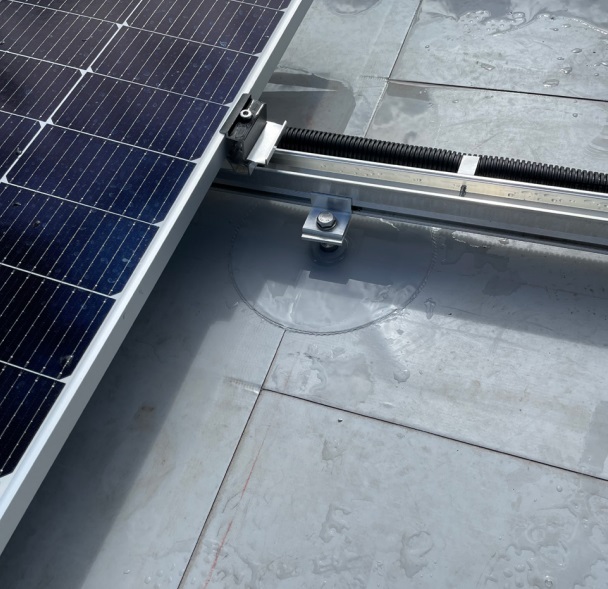
This article does not focus on the advantages of renewable energy or the benefits of solar power, but rather on the technology needed for safe installation of such systems on flat roofs with waterproofing membranes.
When designing a flat roof system intended for solar installation, the following stakeholders should be involved from the conceptual phase:
- The investor or client
- The architectural/engineering firm (for structural and dynamic calculations)
- The solar equipment manufacturer
- The flat roof waterproofing system manufacturer
- The thermal insulation system supplier
- The solar power installation contractor
- The flat roofing contractor
If the key parameters for integrating solar systems into the flat roof are defined early in the design phase, all components can be addressed in a systematized manner during construction.
This approach helps avoid complications during the building phase.
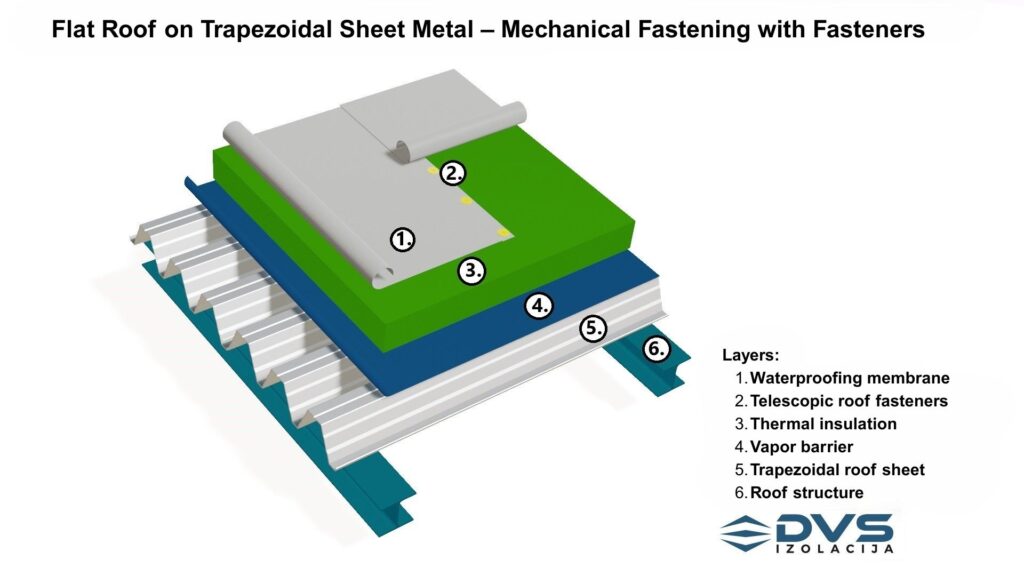
The most important elements of flat roof systems designed for solar integration include:
- Adequate load-bearing capacity of the structural roof system (steel, precast concrete elements, reinforced concrete slabs, etc.)
- Suitable profile and thickness of trapezoidal steel sheeting (for improved structural strength)
- High-compression rigid thermal insulation (PIR is recommended)
- Durable waterproofing membrane (FPO-type recommended, with thicknesses of 1.8 mm or 2 mm)
- Appropriate support system for the solar installation (e.g., steel posts, Sikaroof Anchor mounts)
- Walkway paths around the solar arrays for safe maintenance access
“DVS Izolacija” LLC has mastered the systems and technology for mounting supports for solar power systems on flat roofs.
We are currently actively involved in developing multiple flat roof projects that include solar power installations.
We are commonly contacted directly by investors, and frequently by design firms and solar installation contractors as well.
We are always open to providing practical advice, system proposals, and complete, field-tested solutions.
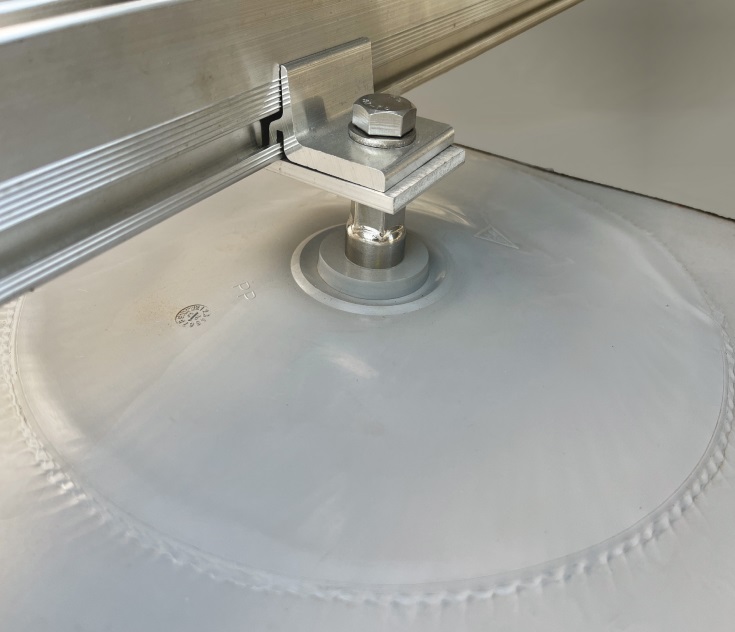
The waterproofing material manufacturer Sika offers standardized mounting solutions, such as the Sikaroof Anchor system, which can be quickly and easily installed on flat roofs.
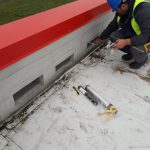
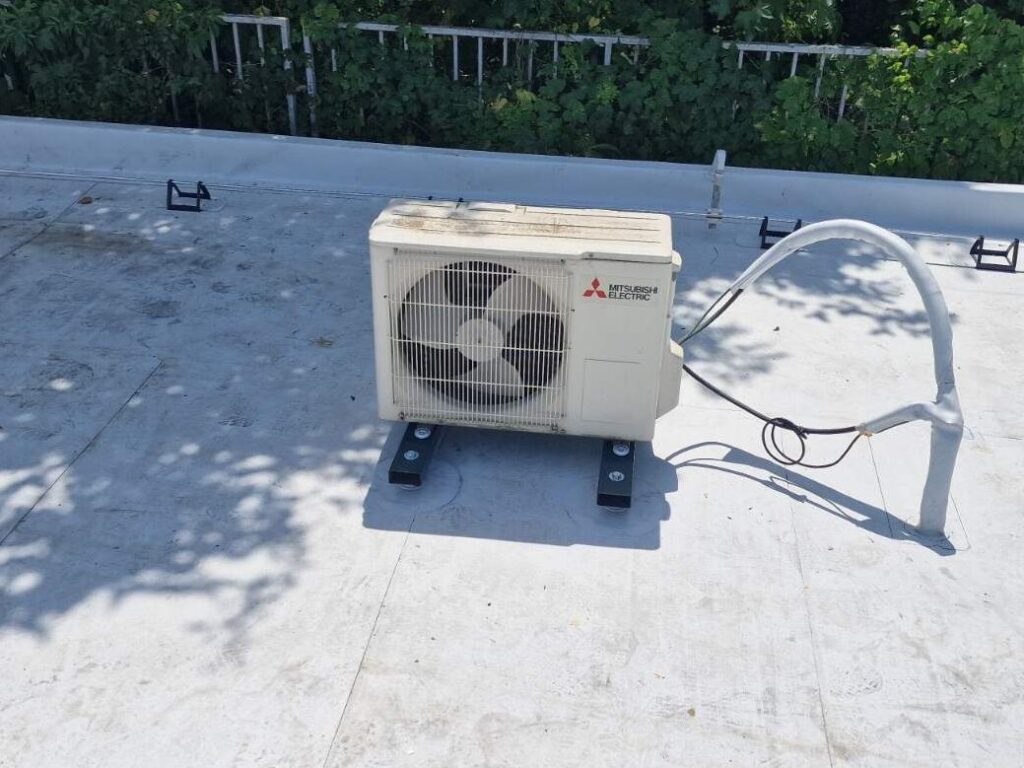
This type of installation avoids the need for invasive work such as cutting into the roof. Instead, the anchors are mechanically fastened to the structure using bolts or dowels, and then welded to the existing waterproofing membrane.
This is an exceptionally elegant solution, especially for retrofitting existing buildings in operation, as it does not interfere with the building’s interior activities.
In the gallery below, you can see Sikaroof Anchor components and the attachment system:
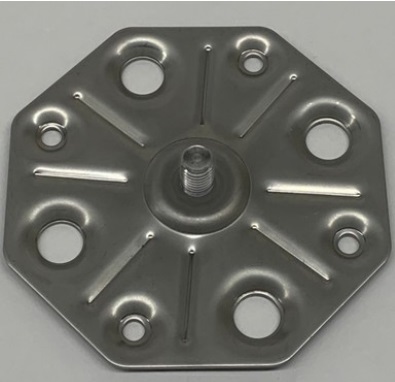
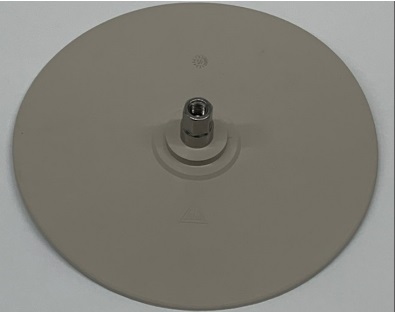
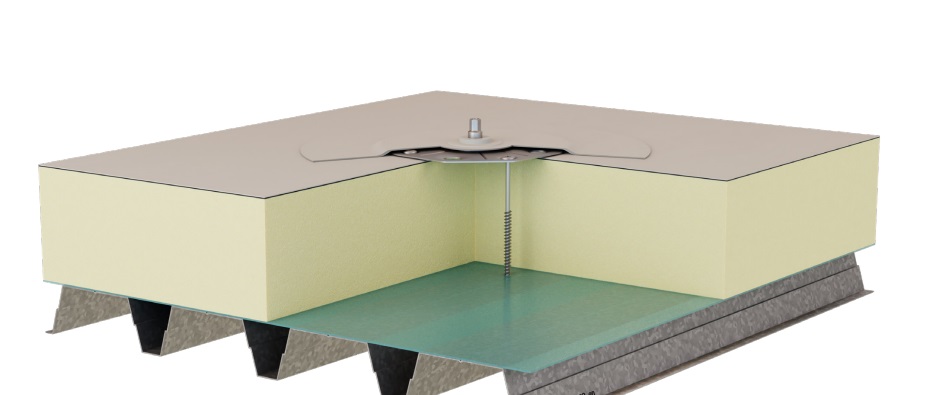
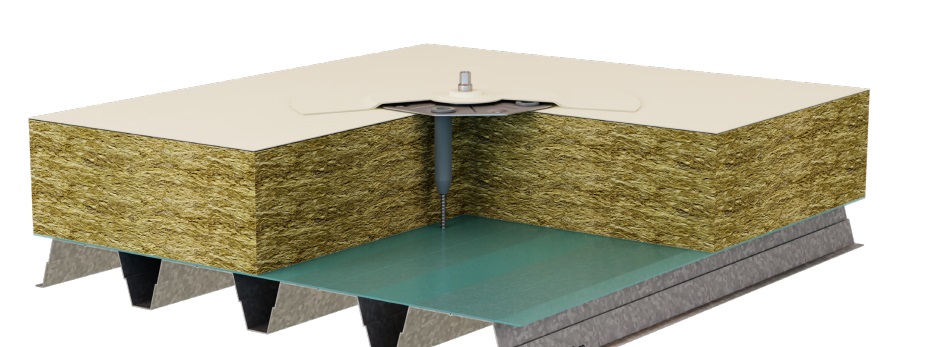
These anchors can be used for installing solar panels, associated solar equipment, and also other rooftop equipment (HVAC units, electrical equipment, cable trays, piping, mechanical systems, HVAC lines, etc.).
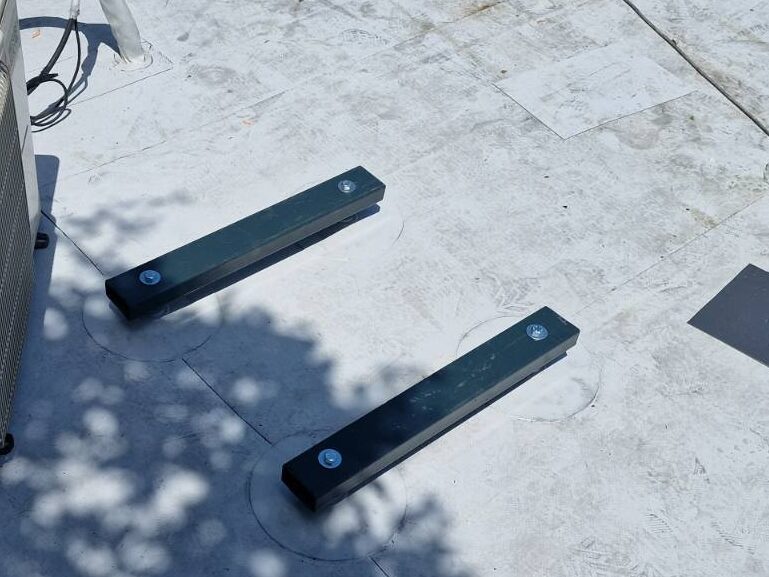
Brochure with more technical information:
Sikaroof Anchor System
If you are interested in collaborating on your project—whether it’s a private residence, multi-unit residential building, or commercial facility—feel free to contact us via email at: , or through our contact page.
Our years of experience and technical knowledge are at your disposal to help ensure the success of your project.